
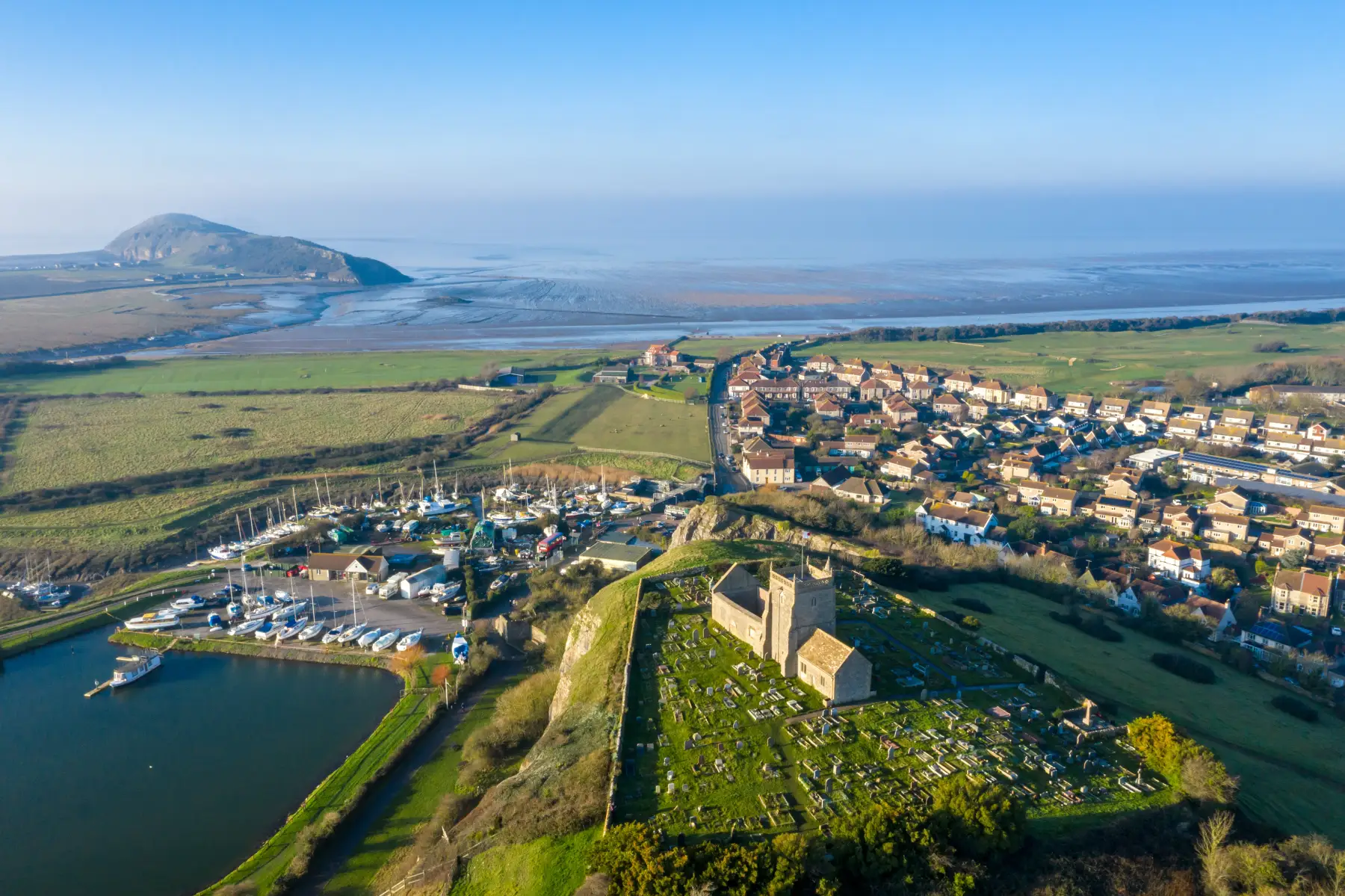
Selling inherited or derelict land can be a great opportunity to unlock the value of a property that is no longer needed. However, these types of land transactions often involve additional legal, financial, and practical considerations compared to selling a standard residential property. Understanding the process can help you avoid delays, maximize your property’s value, and ensure a smooth sale.
Understanding Inherited Land
Inherited land is property passed down through a will or estate after the owner’s death. Before you can legally sell the land, you must confirm that ownership has been transferred into your name or that you have the legal authority to sell it as an executor or administrator of the estate.
Important documents typically include:
- Probate or Letters of Administration (where required)
- Title deeds or proof of ownership
- Property tax records
- Any existing surveys or boundary documents
If multiple beneficiaries inherit the property, all owners generally need to agree to the sale unless another legal arrangement has been established.
What Is Considered Derelict Land?
Derelict land refers to land that has been neglected, abandoned, or left unused for an extended period. It may contain overgrown vegetation, damaged structures, environmental issues, or require significant clearing before development.
While derelict land may seem difficult to sell, many developers, investors, and land buyers actively seek these properties because they offer redevelopment opportunities.
Assess the Land’s Value
Before listing the property, it’s important to understand its market value. Factors that influence land prices include:
- Location and accessibility
- Size and shape of the plot
- Zoning and planning permissions
- Availability of utilities
- Road frontage
- Development potential
- Environmental restrictions
Obtaining a professional land valuation can help you set a realistic asking price and negotiate confidently with buyers.
Resolve Legal Issues Early
Inherited and neglected properties sometimes come with legal complications. Addressing these issues before marketing the land can significantly speed up the sale process.
Common issues include:
- Unclear ownership records
- Boundary disputes
- Outstanding property taxes
- Easements or rights of way
- Liens or mortgages attached to the property
Working with a qualified solicitor or real estate attorney can help identify and resolve these matters before they become obstacles during closing.
Improve the Property’s Presentation
Unlike residential homes, land doesn’t require staging, but basic improvements can make a significant difference.
Consider:
- Clearing excessive vegetation
- Removing rubbish or abandoned equipment
- Marking visible boundaries
- Providing updated surveys
- Taking high-quality aerial and ground photographs
A clean, well-presented property creates a stronger first impression and helps buyers better understand the land’s potential.
Highlight Development Opportunities
Many buyers purchase land based on its future possibilities rather than its current condition. If the property has development potential, make that information readily available.
Include details such as:
- Residential or commercial zoning
- Planning history
- Nearby infrastructure projects
- Utility connections
- Road access
- Potential building sites
Providing accurate information helps serious buyers make quicker decisions.
Understand Tax Implications
Selling inherited land may involve capital gains tax depending on your local tax laws, the property’s value at inheritance, and the eventual selling price. Derelict land sales may also have tax implications if the land has appreciated significantly over time.
Before completing the sale, consult a tax professional who can explain your obligations and identify any available exemptions or deductions.
Consider Different Selling Options
There are several ways to sell inherited or derelict land.
Traditional real estate listings may achieve the highest price but often take longer to complete. Selling directly to a land-buying company or investor can offer a faster transaction with fewer conditions, although the purchase price may be slightly lower. Auctions can also be an effective option for unique or difficult-to-value properties, especially when there is strong investor interest.
The right choice depends on your priorities, whether that is achieving the highest possible price or completing the sale quickly.
Prepare for Buyer Questions
Serious buyers will often ask detailed questions before making an offer. Be prepared to provide information about:
- Property boundaries
- Access rights
- Utilities
- Flood risk
- Environmental concerns
- Planning restrictions
- Annual taxes
- Previous land use
Having documentation readily available builds trust and reduces delays during due diligence.
Final Thoughts
Selling inherited or derelict land may seem complex, but with proper preparation, it can be a straightforward and rewarding process. Organizing legal documents, understanding the property’s value, addressing any ownership or title issues, and presenting the land professionally can significantly improve your chances of securing the right buyer.
Whether you’re looking to maximize your return or simply move on from an unused property, taking a proactive approach will help ensure a smoother sale while giving buyers the confidence to invest in your land.


